
BLOG
Chainsaw Maintenence
We want to play our own part in all the amazing work going on in our area by helping you go from good to being great at what you do.
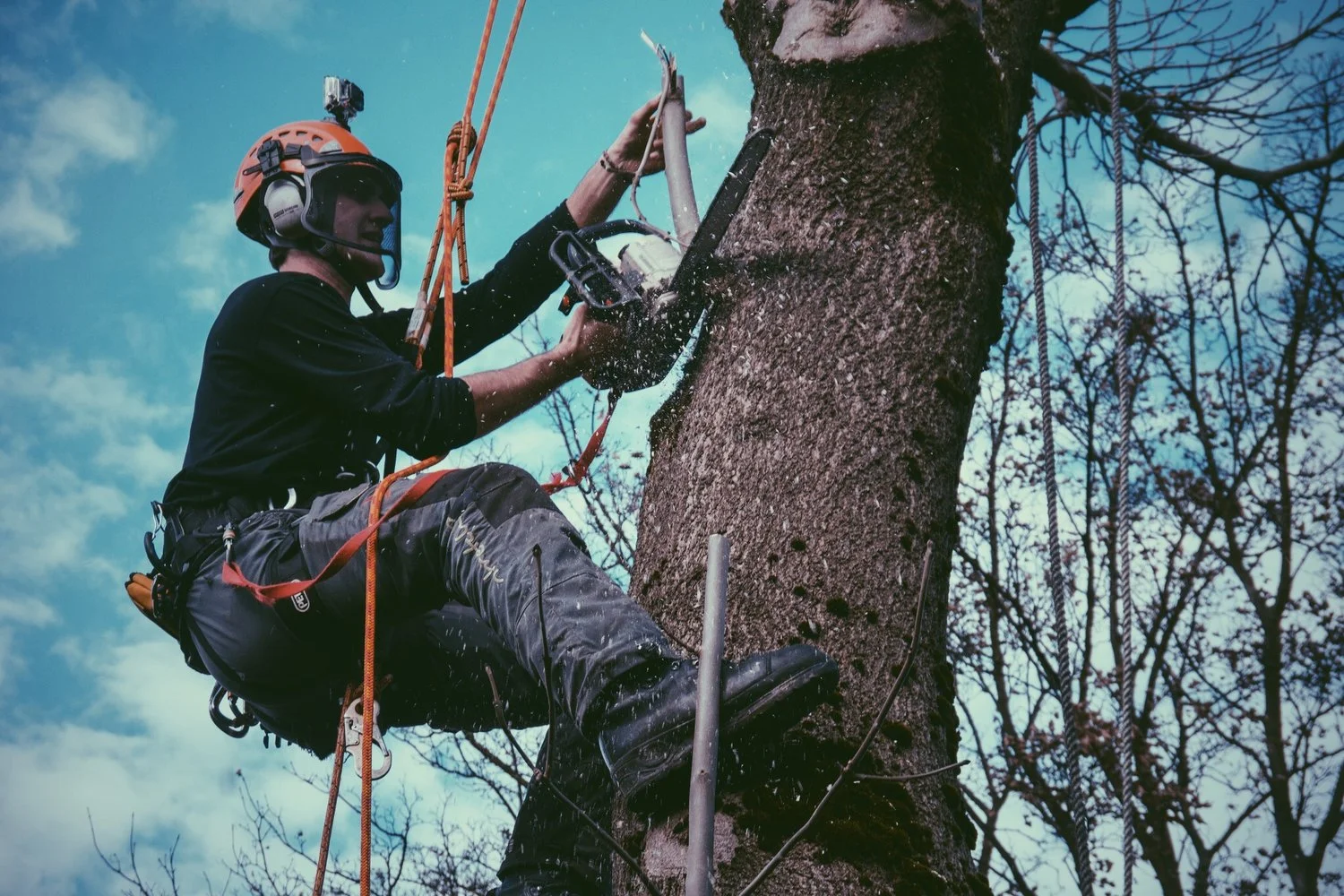
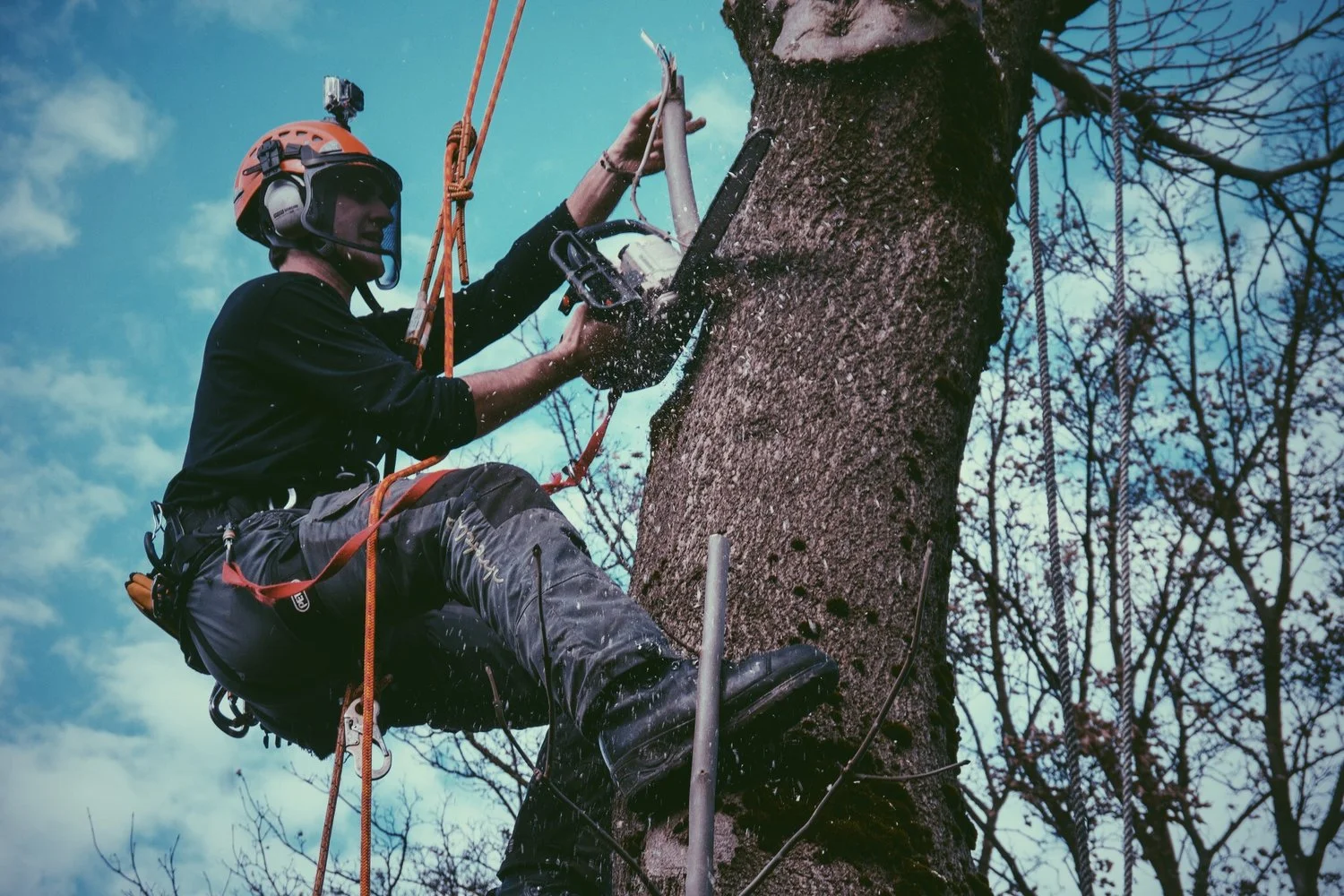
A friend of mine recently started an apprenticeship as a tree surgeon. The night before he was due to begin he told us of his excitement. His zeal was evident, and no one would stop him from fulfilling his dream of causing some serious chainsaw inflicted damage to some of Mother Nature’s finest. Upon his return home after his first day of work, however, he appeared somewhat dejected. It transpired that his entire first day (and there would be more to follow) was spent learning how to properly maintain his saw.
“We want to play our own part in all the amazing work going on in our area by helping you go from good to being great at what you do”
At Core Insights we spotted a need. So often we saw that there were charities and CICs with tonnes of data and information, but no time to look at their processes and reporting systems or the expertise needed to make changes to this or the time to do it. These organisations were doing amazing work, but were often so focused on the task in front of them that they did not have the time or resources to maintain and sharpen their saw and make sure they were getting as much impact as they could from the work they were putting in. In the same way that a tree surgeon will spend maximum effort for minimal gains if they use a blunt saw, organisations without effective systems could be minimizing their impact.
“Whatever your need is we want what’s best for you. Because we’re driven by this principle we’re not profit driven and we don’t want you to be reliant on us”
We noticed that there was no one providing professional analysis and insight services affordably and specifically aimed at charities and CICs, organisations often in great need of such services which could greatly improve the way they measure their social impact, but lacking funds to go to larger scale organisations for assistance.
What sets us apart from larger organisations is our specific focus on work with organisations in the voluntary sector, allowing for real flexibility when it comes to cost. We are also focused on the greater Bristol area, having worked with organisations such as One25 and Bristol Together, who are making a massive difference in our city. For example, with one organisation we helped with some database work which enabled them to reclaim a backlog of giftaid worth £270k, at a cost of just £600 to the organisation.
Your organisation may need to implement or improve its database systems, create an annual report which shows evidence of their impact or implement new processes and systems. Whatever your need is we want what’s best for you. Because we’re driven by this principle we’re not profit driven and we don’t want you to be reliant on us. We want to teach you to sharpen your own saw, which is why we love to train, resource and upskill your staff, so that your impact is widened. We want to play our own part in all the amazing work going on in our area by helping you go from good to being great at what you do
HOW OUR SERVICES CAN BENEFIT YOU: BRISTOL TOGETHER INTERVIEW
If you're thinking about using our services but you're unsure about how much of a difference it could make to your impact: this is essential reading!
If you're thinking about using our services but you're unsure about how much of a difference it could make to your impact: this is essential reading! We sat down for a chat with Matt Gutteridge, acting CEO/COO and project manager of Bristol Together, an organisation with whom we've been working recently.
Tell us briefly about what Bristol Together do:
Bristol Together work with ex-offenders to upskill them so that they can be equipped for work, and to prepare them for normal working life. We take them from being fairly irresponsible and relatively unhelpful in a working environment to realising that if they put in some hard work, they can make it just like anybody else.
Why did you look to Core Insights for help?
Core Insights’ involvement was commissioned by the Board and myself as project manager and acting COO/CEO to capture solid data which could be used to showcase our impact to potential investors in Bristol Together. If we don’t have data, then the day-to-day running of our community interest company can feel a little bit more like “making it up as we go along”. Core Insights have been able to collect and analyse some really good, solid data to prove that our vision is working, which makes us a viable option for investors who want to make social impact investment.
What challenges did you come across in your work with Core Insights?
One of the challenges is how we make use of the data that Core Insights provide us with. You can come across facts and data which can be a bit disappointing to look at, for example, we found that we were running a lower rate of effectivity than other companies like ours. That’s a bit hard to hear because we want our lads to be the best.
How did Core Insights help in this situation?
The most helpful thing was that the work from Core Insights enabled us to focus our efforts in the right places. When you don’t know all the data around your different areas of business, it is impossible to know where to put the most effort, when actually there’s certain things you don’t need to put effort into, and some things you need to put lots of energy into. Core Insights enabled us to put to a bullet point what we’re trying to do and where to put our energy and resources, which has been extremely helpful.
What action has this led to, and how has it affected you?
We realised that our attendance levels are lower than the national average, I can’t quite remember, but something like 30 odd percent below, maybe more than that. It made me realise that the thing you get used to becomes the norm. When you find out that that’s not normal at all, it can feel quite uncomfortable. This realisation enabled us to put some healthy pressure on the lads. We told them that this isn’t normal, and if they wanted to succeed in another job outside of Bristol Together, this behaviour needs to be sorted out here and now.
Would you recommend Core Insights?
I definitely would. Core Insights ask the right questions. When you’re mixed up in the day to day busyness of running a project, dealing with people being sick, sorting out budgets, sorting out resources, you don’t have the time to sit down and ask the uncomfortable yet important questions. Anyone can ask these questions but what you don’t have is the time to process the data properly and the time to make actioned points off the back of that. Most companies do not have time to do that, unless they get someone in. Having good data and the resulting action points can save you thousands of pounds, so I would totally recommend this kind of insight work to any small or medium sized business or charity.

How Charities Can Get More Funds

We had a chat with Alice Wilcock, Senior Manager (volunteering) at Team London, which is the mayor’s office for volunteering and social action, about how charities can best apply for grants, and what funders are looking for from charities in their applications.
What is a good grant application? What are funders looking for?
When you’re applying for a grant, it’s vital to read the application form and the guidance notes. It’s very basic and obvious but lots of people fail to do so properly. The funder will usually go to quite a lot of trouble to make sure that the guidance notes give very clear outlines for what they’re looking for. Take notice of how the funder is asking you to set out your application, so if there are word or page limits, they’re there for a reason. Often you can either lose the extra work you put in or it won’t be counted for marking if you go over any limits. Unfortunately, because many charities are very strapped for cash these days, they’re trying to shoe horn their activity into an application process that doesn’t actually fit them. Although it can be tempting, don’t do it because you’re wasting your time and the time of the organisation you’re applying for.
The key first thing is to assess how much of a match there is between the funder’s criteria and your own charitable objects.
What practical things can a charity do to help their application?
It always helps to have the governance aspect of your organisation, all the key documents, ready to hand. Often with applications there’s an “expression of interest” stage and certain key documents will have to be presented for every funding application. Having up to date versions of your insurance certificates, your accounts, details about your trustees, details of your key charitable successes and achievements of the past year, ready and waiting so that they can be used again and again, is a real time saver.
When you’re looking at the application form itself, the thing to remember is that funders are interested in outcome, they’re not necessarily interested in output, though that will vary from funder to funder. Constantly have in mind the outcome that you’re going to achieve and the difference you will make through the work you’re going to do. Bear in mind that someone picking up your form will not be familiar with your charity and your activities in the way that you are, so getting a fresh pair of eyes to look at your application before you send it off, preferably from someone not actually connected to your organisation is a great idea, this way, you will make sure that it’s really understandable for someone who’s not familiar with your organisation.
Why is social impact important to you?
Social impact is really important because funders want to make sure they’re getting the most for their money. We want to make sure that we’re allocating resources to the people who will use them best. In terms of the outcomes that you can be looking at for funding, you can divide these into hard outcomes and soft outcomes. E.g if you’re looking to help young people find jobs, the hard outcome would be sustained employment, but softer outcomes might be that along the way they’ll improve in confidence, they’ll improve their skills, their networks with employers, have better relationships with their peers, and they’ll understand more about how their work fits in with the rest of the community. So those are different kinds of outcomes that you can get from the same project.
How can charities improve their social impact?
Go back to your mission and vision as a charity or organisation. Are you keeping to that? Are you having the impact that you want to have? if you’re doing activities that don’t match with your vision, then why are you doing them? You shouldn’t be.